
Banks Suspend Gold and Silver Imports as Government Clearance Delays Disrupt Supply Chains
Import uncertainty leaves precious metals stuck at customs and raises concerns over shortages in India
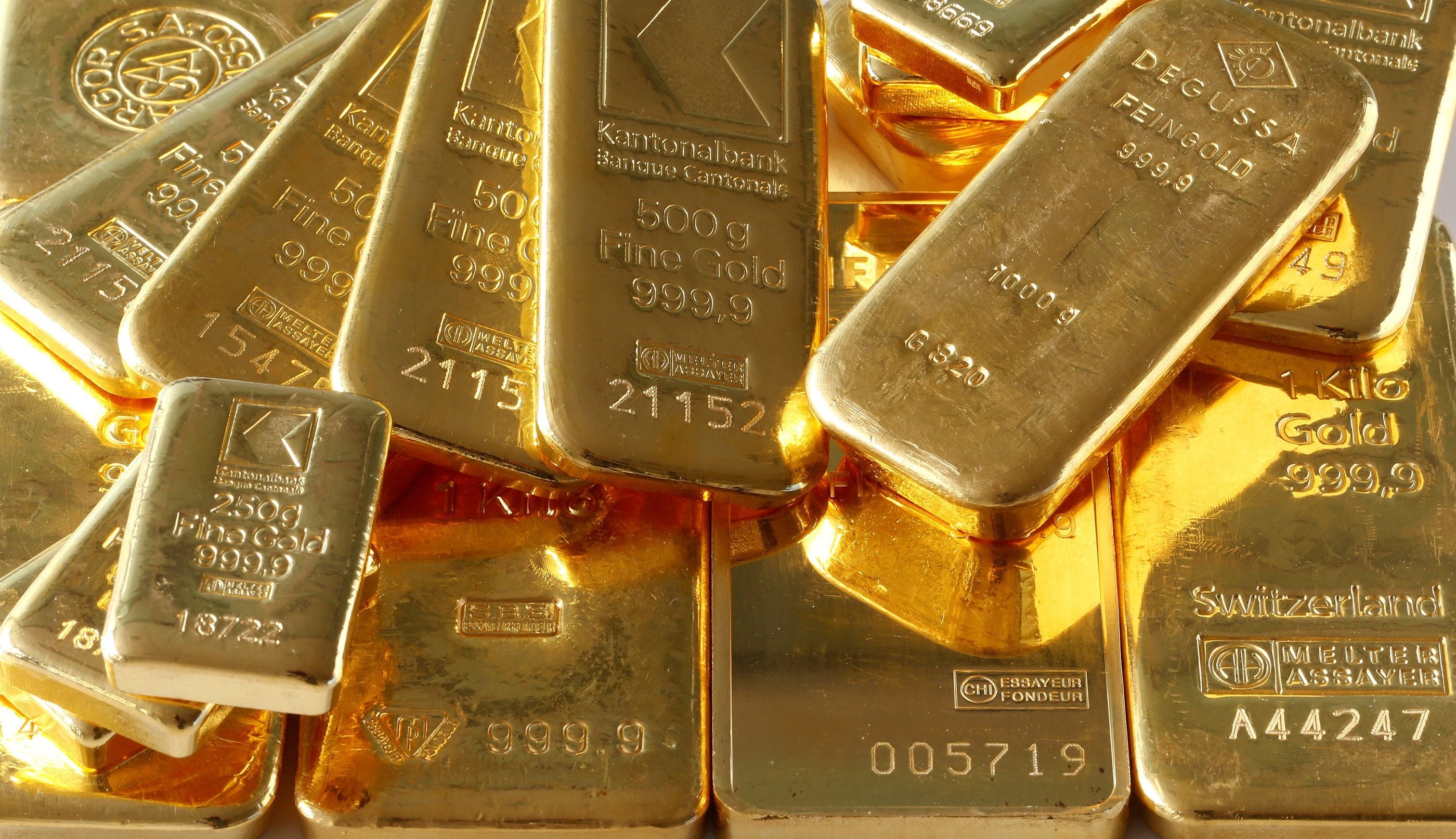
Indian banks have stopped placing new orders for gold and silver from international suppliers, with large quantities of these metals currently held at customs due to the absence of a formal government directive authorizing imports. Trade sources indicated that this unexpected pause in shipments has created a situation where bullion imports (बुलियन आयात) [buliyan aayat] are effectively frozen, while customs clearance delays (सीमा शुल्क देरी) [seema shulk deri] continue to block already-arrived consignments.
India, known as the world’s second-largest gold consumer and the biggest buyer of silver, depends heavily on overseas purchases to meet nearly all domestic demand. Without new inflows, the country risks facing supply shortages in the coming months. Analysts warn that supply shortages (आपूर्ति की कमी) [aapurti ki kami] could emerge quickly, while reduced buying activity may influence global precious metal prices (वैश्विक कीमती धातु कीमतें) [vaishvik keemti dhaatu keematein] by lowering demand from one of the largest markets.
At the same time, weaker imports could have mixed economic effects. Reduced demand for gold and silver may help narrow India’s trade deficit and provide some support to the national currency. The rupee has been under pressure this year, making currency stabilization efforts (मुद्रा स्थिरीकरण प्रयास) [mudra sthirikaran prayas] a priority for policymakers. Lower imports may also reduce the need for foreign currency outflows, impacting trade deficit reduction (व्यापार घाटा कमी) [vyapar ghata kami].
Government authorities have introduced several measures in recent months to ease pressure on the currency, including advising refineries to limit their purchases of U.S. dollars in spot markets. These actions reflect broader economic policy adjustments (आर्थिक नीति समायोजन) [aarthik neeti samayojan] aimed at managing volatility. However, the lack of clarity regarding import approvals has now introduced a new layer of market uncertainty (बाज़ार अनिश्चितता) [bazaar anishchitata].
Typically, the Directorate General of Foreign Trade (DGFT), operating under the Ministry of Commerce and Industry, issues an annual order specifying which banks are authorized by the Reserve Bank of India to import gold and silver. The previous authorization expired at the end of the financial year on March 31, and banks are still waiting for a new directive. This delay has disrupted regulatory approval processes (नियामक स्वीकृति प्रक्रिया) [niyamak sveekriti prakriya] and stalled import authorization cycles (आयात प्राधिकरण चक्र) [aayat pradhikaran chakra].
Industry sources revealed that more than five tons of gold remain stuck at customs checkpoints due to the missing clearance. An additional eight tons of silver are also reportedly awaiting approval. One bullion dealer explained that placing new orders makes little sense when existing shipments cannot be released, highlighting the severity of logistical bottlenecks (लॉजिस्टिक बाधाएं) [logistic baadhaen] and supply chain disruptions (आपूर्ति श्रृंखला व्यवधान) [aapurti shreni vyavadhan].
India’s gold demand has already shown signs of weakening. According to data from the World Gold Council, consumption dropped to 710.9 metric tons in 2025, marking the lowest level in five years. The market is currently relying on previously imported stocks and sales from exchange-traded funds, which are experiencing withdrawals. This shift indicates inventory drawdowns (भंडार में कमी) [bhandaar mein kami] and increased dependence on financial asset liquidation (वित्तीय संपत्ति परिसमापन) [vittiya sampatti parisamapan].
"There is a need to bring clarity and ensure imports resume," said Surendra Mehta, secretary at the India Bullion and Jewellers Association. His remarks underline growing industry concerns about policy transparency (नीति पारदर्शिता) [neeti paaradarshita] and the urgency of restoring import continuity (आयात निरंतरता) [aayat nirantarata].
Experts also warn that the absence of imports could lead to higher premiums in the domestic market, particularly after the festival of Akshaya Tritiya, one of India’s major gold-buying occasions. Rising costs may reflect price premiums (मूल्य प्रीमियम) [moolya premium] and seasonal demand surges (मांग में वृद्धि) [maang mein vriddhi], which typically drive increased purchases during festive periods.
Additionally, global developments may be influencing government decisions. Rising prices of oil, gas, and fertilizers, partly linked to geopolitical tensions involving Iran, are expected to increase India’s import bill. In such a context, slowing gold and silver imports could be a strategic move to control import expenditure (आयात व्यय) [aayat vyay] and manage economic pressure from commodities (वस्तुजनित आर्थिक दबाव) [vastujanit aarthik dabaav].
Key Hindi Vocabulary
बुलियन आयात [buliyan aayat] bullion imports
सीमा शुल्क देरी [seema shulk deri] customs clearance delays
आपूर्ति की कमी [aapurti ki kami] supply shortages
वैश्विक कीमती धातु कीमतें [vaishvik keemti dhaatu keematein] global precious metal prices
मुद्रा स्थिरीकरण प्रयास [mudra sthirikaran prayas] currency stabilization efforts
व्यापार घाटा कमी [vyapar ghata kami] trade deficit reduction
आर्थिक नीति समायोजन [aarthik neeti samayojan] economic policy adjustments
बाज़ार अनिश्चितता [bazaar anishchitata] market uncertainty
नियामक स्वीकृति प्रक्रिया [niyamak sveekriti prakriya] regulatory approval processes
आयात प्राधिकरण चक्र [aayat pradhikaran chakra] import authorization cycles
लॉजिस्टिक बाधाएं [logistic baadhaen] logistical bottlenecks
आपूर्ति श्रृंखला व्यवधान [aapurti shreni vyavadhan] supply chain disruptions
भंडार में कमी [bhandaar mein kami] inventory drawdowns
वित्तीय संपत्ति परिसमापन [vittiya sampatti parisamapan] financial asset liquidation
नीति पारदर्शिता [neeti paaradarshita] policy transparency
आयात निरंतरता [aayat nirantarata] import continuity
मूल्य प्रीमियम [moolya premium] price premiums
मांग में वृद्धि [maang mein vriddhi] demand surges
आयात व्यय [aayat vyay] import expenditure
वस्तुजनित आर्थिक दबाव [vastujanit aarthik dabaav] economic pressure from commodities
India is the world’s second-largest gold consumer and the biggest buyer of silver.
For requests or suggestions: pr@indian-institute.com


Learn the official language of India in 30 days thanks to the most complete Grammar, Vocabulary and Culture courses available.
Start speaking Hindi today!
© Copyright 2026 Indian Institute
Come visit India!