
India’s Data Centre Market Set to Reach $22 Billion by 2030
Rapid expansion driven by AI workloads, cloud adoption, and rising digital consumption
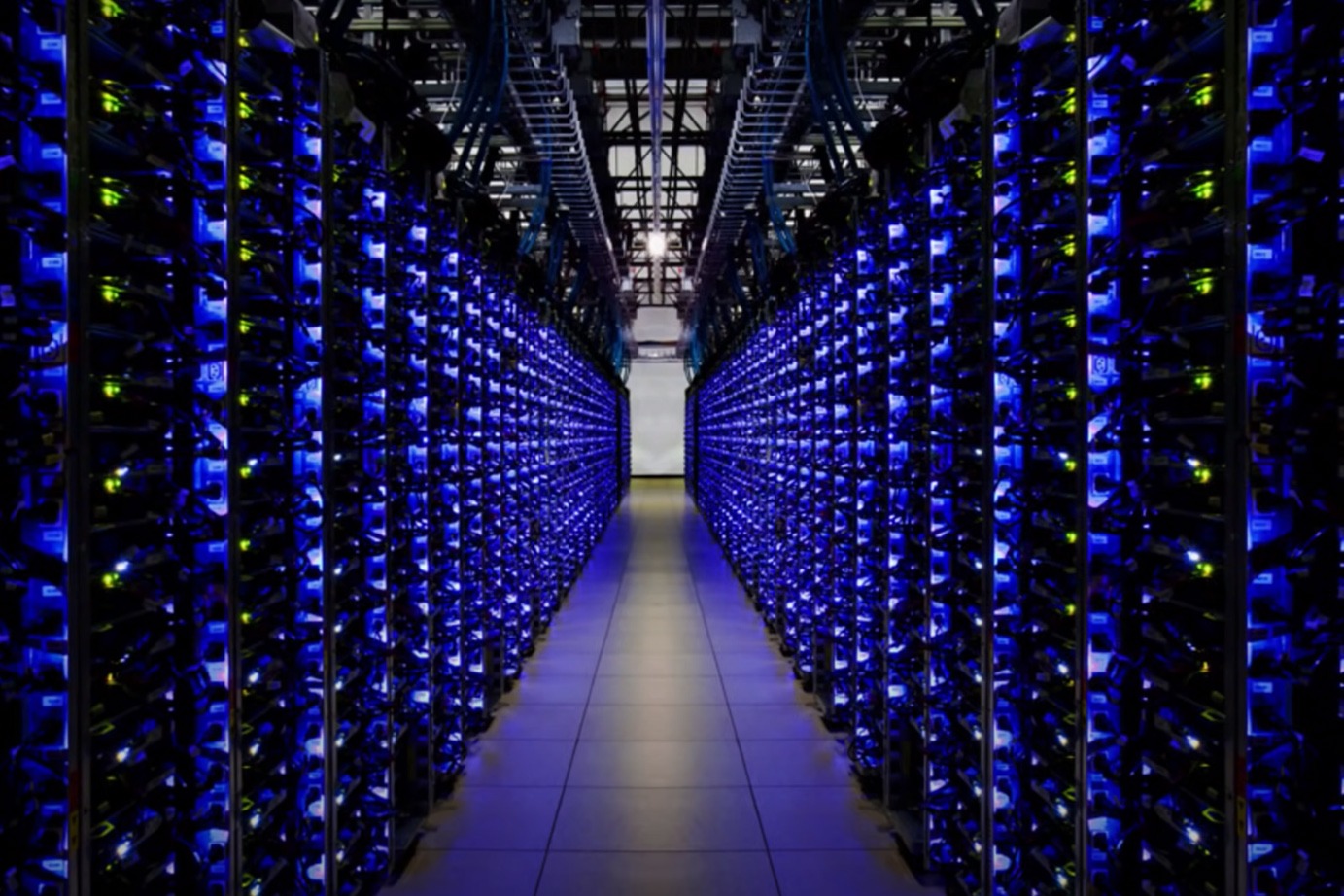
India’s data infrastructure sector is on track for significant expansion, with the total market value expected to grow from approximately $10 billion in 2025 to $22 billion by 2030. This projected rise is closely linked to increasing reliance on cloud adoption (क्लाउड अपनाना) [klaud apnana] and the growing scale of artificial intelligence workloads (कृत्रिम बुद्धिमत्ता कार्यभार) [krtrim buddhimatta karyabhar], alongside a surge in digital consumption patterns across the country.
Strong capital inflows have supported this trajectory. Between 2020 and 2024, the sector secured investments estimated at $13–15 billion, with nearly 80 per cent coming from foreign institutional investors. The pipeline remains robust, as planned commitments of $60–70 billion over the next five years highlight sustained confidence from hyperscale operators (हाइपरस्केल ऑपरेटर) [hyperscale operator] and joint-venture platforms (संयुक्त उद्यम मंच) [sanyukt udyam manch].
At a global level, the data centre industry is undergoing rapid scaling, with installed capacity currently ranging between 40 and 50 gigawatts. This figure is expected to surpass 100 gigawatts by the end of the decade. Within this context, India is strengthening its role in the Asia-Pacific region, supported by policy incentives (नीतिगत प्रोत्साहन) [neetigat protsahan] and a rapidly expanding digital economy (डिजिटल अर्थव्यवस्था) [digital arthavyavastha].
Operational capacity within India currently stands at around 1.4 to 1.6 gigawatts across 164 facilities. Construction is underway for more than 700 megawatts, while an additional 1 to 1.2 gigawatts is in the planning phase. This pipeline indicates continued acceleration in infrastructure build-out (बुनियादी ढांचा विस्तार) [buniyadi dhancha vistar] and capacity expansion (क्षमता विस्तार) [kshamata vistar].
Projections suggest that installed capacity will reach between 1.7 and 2 gigawatts by the end of 2026 and further grow to 4–5 gigawatts by 2030. This increase reflects rising demand from high-performance computing workloads (उच्च प्रदर्शन संगणना कार्यभार) [uchch pradarshan sanganana karyabhar] and enterprise-level cloud computing services (क्लाउड कंप्यूटिंग सेवाएं) [klaud computing sevayen].
The surge in data demand is also tied to broader digital trends. Growth in digital payments (डिजिटल भुगतान) [digital bhugtan], expansion of over-the-top platforms (ओटीटी प्लेटफॉर्म) [OTT platform], and the rollout of 5G services (5जी सेवाएं) [5G sevayen] have pushed average monthly wireless data usage beyond 25 GB per user, reinforcing the need for scalable infrastructure.
“India's data centre sector is rapidly transforming on the back of strong policy support and rising digital demand,” said Shrinivas Rao, chief executive officer (CEO) at Vestian. He further noted that measures such as single-window clearances (एकल खिड़की स्वीकृति) [ekal khidki sveekriti], tax exemptions (कर छूट) [kar chhoot], and GST benefits (जीएसटी लाभ) [GST labh] are strengthening India’s position as a global hub for data infrastructure and AI development.
Cost efficiency remains a structural advantage. Construction expenses in India are estimated at $6–7 million per megawatt, significantly lower than in mature Asia-Pacific markets. This advantage supports ongoing large-scale capacity additions (बड़े पैमाने पर क्षमता वृद्धि) [bade paimane par kshamata vriddhi] and encourages expansion across both established and emerging urban centres.
Among major locations, Mumbai accounts for nearly 49 per cent of total operational capacity, followed by Chennai with 18 per cent and the National Capital Region at 11 per cent. Secondary markets such as Pune, Bengaluru, and Hyderabad are expanding due to strong information technology ecosystems (सूचना प्रौद्योगिकी पारिस्थितिकी तंत्र) [soochna praudyogiki paristhitiki tantra] and favourable operating conditions (संचालन स्थितियां) [sanchalan sthitiyan].
Chennai continues to gain strategic importance as a global data gateway due to its submarine cable landing stations (समुद्री केबल लैंडिंग स्टेशन) [samudri cable landing station], while Mumbai benefits from robust connectivity infrastructure (कनेक्टिविटी अवसंरचना) [connectivity avsanrachna] and proximity to financial services demand.
Developers are also focusing on Tier-II cities including Ahmedabad, Kochi, Jaipur, and Visakhapatnam. These locations are being integrated into the broader network to support distributed digital infrastructure (वितरित डिजिटल अवसंरचना) [vitarit digital avsanrachna] and reduce geographic concentration.
Current operational capacity in these emerging markets is estimated at 60–80 megawatts and is expected to exceed 100 megawatts by the end of 2026. This growth is supported by improving connectivity networks (कनेक्टिविटी नेटवर्क) [connectivity network], supportive regional policies, and lower land acquisition costs, all of which contribute to expanding the national data infrastructure footprint.
Key Hindi Vocabulary
क्लाउड अपनाना [klaud apnana] cloud adoption
कृत्रिम बुद्धिमत्ता कार्यभार [krtrim buddhimatta karyabhar] artificial intelligence workloads
हाइपरस्केल ऑपरेटर [hyperscale operator] hyperscale operators
संयुक्त उद्यम मंच [sanyukt udyam manch] joint-venture platforms
नीतिगत प्रोत्साहन [neetigat protsahan] policy incentives
डिजिटल अर्थव्यवस्था [digital arthavyavastha] digital economy
बुनियादी ढांचा विस्तार [buniyadi dhancha vistar] infrastructure build-out
क्षमता विस्तार [kshamata vistar] capacity expansion
उच्च प्रदर्शन संगणना कार्यभार [uchch pradarshan sanganana karyabhar] high-performance computing workloads
क्लाउड कंप्यूटिंग सेवाएं [klaud computing sevayen] cloud computing services
डिजिटल भुगतान [digital bhugtan] digital payments
ओटीटी प्लेटफॉर्म [OTT platform] over-the-top platforms
5जी सेवाएं [5G sevayen] 5G services
एकल खिड़की स्वीकृति [ekal khidki sveekriti] single-window clearances
कर छूट [kar chhoot] tax exemptions
जीएसटी लाभ [GST labh] GST benefits
बड़े पैमाने पर क्षमता वृद्धि [bade paimane par kshamata vriddhi] large-scale capacity additions
सूचना प्रौद्योगिकी पारिस्थितिकी तंत्र [soochna praudyogiki paristhitiki tantra] information technology ecosystems
संचालन स्थितियां [sanchalan sthitiyan] operating conditions
समुद्री केबल लैंडिंग स्टेशन [samudri cable landing station] submarine cable landing stations
कनेक्टिविटी अवसंरचना [connectivity avsanrachna] connectivity infrastructure
वितरित डिजिटल अवसंरचना [vitarit digital avsanrachna] distributed digital infrastructure
कनेक्टिविटी नेटवर्क [connectivity network] connectivity networks
India's data center capacity to surge to 17 GW by 2030; $27 billion invested in last three years.
For requests or suggestions: pr@indian-institute.com


Learn the official language of India in 30 days thanks to the most complete Grammar, Vocabulary and Culture courses available.
Start speaking Hindi today!
© Copyright 2026 Indian Institute
Come visit India!