
Land Ownership Inequality Persists in Telangana Despite Population Distribution
Survey reveals disproportionate control of land by select communities and highlights structural disparities
Land ownership patterns in Telangana reveal a significant imbalance that goes beyond simple population distribution, showing how economic power remains unevenly spread across different communities. According to a recent survey, several groups with relatively smaller population shares control a disproportionately large portion of land, reflecting deep-rooted economic inequality (आर्थिक असमानता) [aarthik asamaanta] and persistent land distribution imbalance (भूमि वितरण असंतुलन) [bhoomi vitran asantulan].
Among the most notable findings, certain communities hold a much larger share of land compared to their population size. For instance, some groups account for a small percentage of the population but control a significantly higher proportion of landholdings. This pattern highlights the concentration of agrarian assets (कृषि संपत्ति) [krishi sampatti] and the unequal spread of resource ownership (संसाधन स्वामित्व) [sansadhan swamitva] across social groups.
In contrast, other communities continue to experience low levels of land ownership despite having a larger population base. This disparity underscores the long-standing issue of historical exclusion (ऐतिहासिक बहिष्करण) [aitihasik bahishkaran] and limited access to land-based wealth (भूमि आधारित संपत्ति) [bhoomi aadharit sampatti], which plays a critical role in determining economic security and social mobility.
The report emphasizes that a relatively small group of castes, making up about 32% of the population, collectively control more than half of the state’s land resources. This concentration illustrates how land continues to shape economic dominance (आर्थिक प्रभुत्व) [aarthik prabhutva] and influence social hierarchy structures (सामाजिक पदानुक्रम संरचना) [samajik padanukram sanrachna].
"Land ownership is especially significant because it offers not only a source of income through agriculture or rental but also social status, economic security and bargaining power. Lands below five acres are considered as small landholdings, 5 to 20 acres medium and above 20 acres large landholdings," the report said. This observation reflects the importance of income generation capacity (आय सृजन क्षमता) [aay srijan kshamata] and the role of asset-based security (संपत्ति आधारित सुरक्षा) [sampatti aadharit suraksha] in rural economies.
An analysis by independent experts noted that land ownership alone does not fully determine the level of backwardness among communities. While disparities exist, they are not as pronounced as in other areas such as education and occupation. This highlights the complexity of multidimensional inequality (बहुआयामी असमानता) [bahuaayaami asamaanta] and the limits of single-parameter assessment (एकल मानदंड मूल्यांकन) [ekal maandand mulyankan].
The report also pointed out that certain tribal communities perform relatively better in terms of land ownership, often due to possession of dry or fallow land. However, this does not necessarily translate into improved overall socio-economic conditions. This suggests that land quality disparities (भूमि गुणवत्ता असमानता) [bhoomi gunvata asamaanta] and differences in productive capacity (उत्पादक क्षमता) [utpaadak kshamata] are key factors influencing real economic outcomes.
Furthermore, some communities with limited land ownership still perform better in education and occupations, indicating that access to other forms of capital can offset land disadvantages. Conversely, communities with land ownership—often fragmented into small plots—continue to face challenges. This reflects issues related to fragmented landholdings (खंडित भूमि स्वामित्व) [khandit bhoomi swamitva] and limited economic viability of small farms (छोटे खेतों की आर्थिक व्यवहार्यता) [chhote kheton ki aarthik vyavaharyata].
The survey data also shows that a large majority of households in certain groups fall under small landholding categories, indicating dependence on limited and often unproductive land. In contrast, other groups have better access to medium and large land parcels, which provide greater stability and returns. This gap highlights ongoing rural economic disparity (ग्रामीण आर्थिक असमानता) [graameen aarthik asamaanta] and unequal access to productive resources (उत्पादक संसाधनों तक पहुंच) [utpaadak sansadhanon tak pahunch].
Key Hindi Vocabulary
आर्थिक असमानता [aarthik asamaanta] economic inequality
भूमि वितरण असंतुलन [bhoomi vitran asantulan] land distribution imbalance
कृषि संपत्ति [krishi sampatti] agrarian assets
संसाधन स्वामित्व [sansadhan swamitva] resource ownership
ऐतिहासिक बहिष्करण [aitihasik bahishkaran] historical exclusion
भूमि आधारित संपत्ति [bhoomi aadharit sampatti] land-based wealth
आर्थिक प्रभुत्व [aarthik prabhutva] economic dominance
सामाजिक पदानुक्रम संरचना [samajik padanukram sanrachna] social hierarchy structures
आय सृजन क्षमता [aay srijan kshamata] income generation capacity
संपत्ति आधारित सुरक्षा [sampatti aadharit suraksha] asset-based security
बहुआयामी असमानता [bahuaayaami asamaanta] multidimensional inequality
एकल मानदंड मूल्यांकन [ekal maandand mulyankan] single-parameter assessment
भूमि गुणवत्ता असमानता [bhoomi gunvata asamaanta] land quality disparities
उत्पादक क्षमता [utpaadak kshamata] productive capacity
खंडित भूमि स्वामित्व [khandit bhoomi swamitva] fragmented landholdings
छोटे खेतों की आर्थिक व्यवहार्यता [chhote kheton ki aarthik vyavaharyata] economic viability of small farms
ग्रामीण आर्थिक असमानता [graameen aarthik asamaanta] rural economic disparity
उत्पादक संसाधनों तक पहुंच [utpaadak sansadhanon tak pahunch] access to productive resource
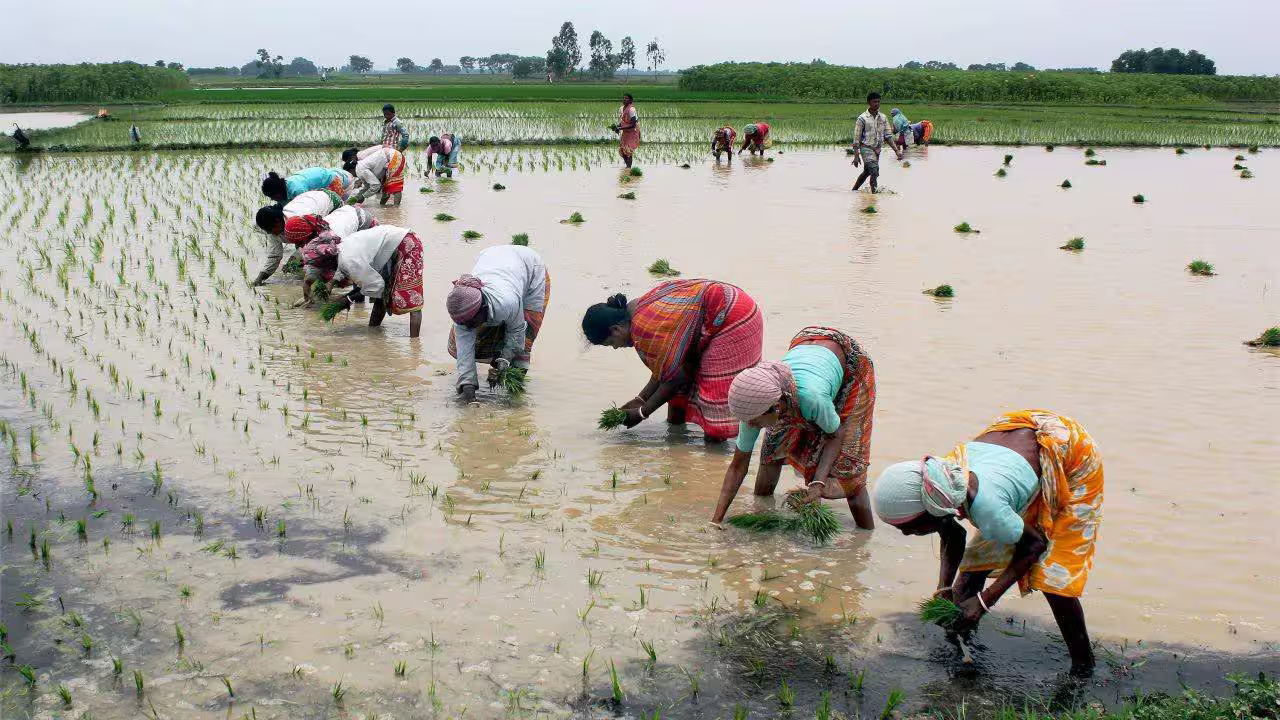
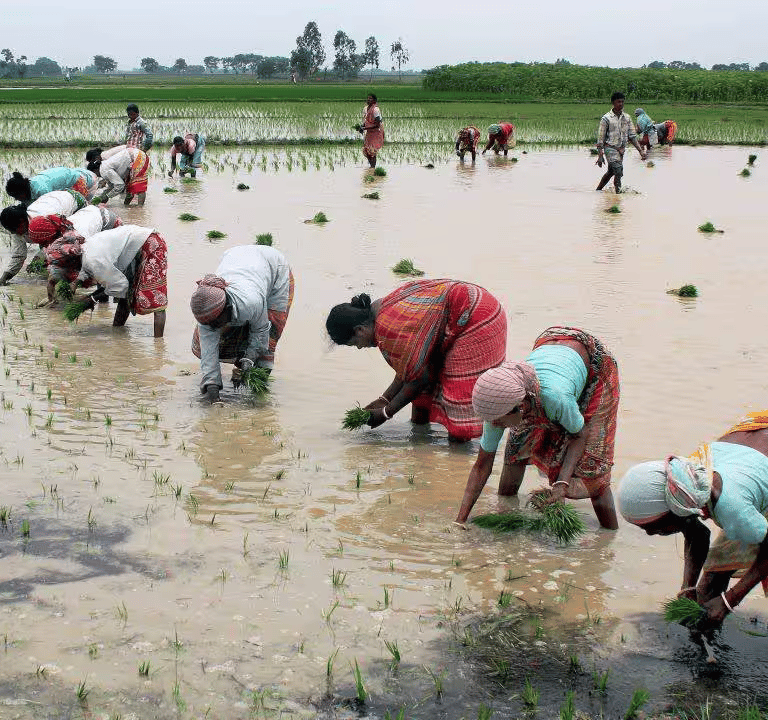
Various communities continue to experience low levels of land ownership despite having a larger population base.
For requests or suggestions: pr@indian-institute.com


Learn the official language of India in 30 days thanks to the most complete Grammar, Vocabulary and Culture courses available.
Start speaking Hindi today!
© Copyright 2026 Indian Institute
Come visit India!