Political Turmoil in West Bengal as Millions Lose Voting Rights Ahead of Elections
Mass deletions from electoral rolls spark legal battles, allegations of bias, and concerns over democratic participation
In a major electoral development in eastern India, approximately nine million individuals have been removed from voter lists in West Bengal as part of a large-scale revision exercise. The process, known as Special Intensive Revision (विशेष गहन पुनरीक्षण) [vishesh gahan punareekshan], was conducted to eliminate duplicate or outdated entries (डुप्लिकेट या पुरानी प्रविष्टियां) [duplicate ya purani pravishtiyan] and include eligible voters, according to the Election Commission.
Among those affected is a 65-year-old former army technician whose name, along with those of his children, was deleted despite the submission of official identification documents. His case reflects the broader impact of the revision, which has led to the removal of nearly 12% of the state’s electorate. While more than six million deletions were attributed to absentee or deceased voters (अनुपस्थित या मृत मतदाता) [anupasthit ya mrit matdata], the status of approximately 2.7 million individuals remains unresolved, pending review by tribunals under a process of special adjudication (विशेष न्यायिक निर्णय) [vishesh nyayik nirnay].
The controversy has intensified due to the application of additional scrutiny in West Bengal compared to other regions. Although similar revisions have been conducted in multiple states, only this region included a secondary verification layer. The Election Commission has maintained that the goal is to ensure a pure electoral roll (शुद्ध मतदाता सूची) [shuddh matdata soochi], free from ineligible entries while preserving legitimate voter inclusion.
Political tensions have escalated between the ruling party and the national authorities overseeing elections. The issue has also been influenced by debates surrounding cross-border migration, given the state’s long boundary with Bangladesh. Statements referring to illegal infiltration (अवैध घुसपैठ) [avaidh ghuspaith] have added a sensitive dimension to the dispute, particularly as the region has a diverse demographic composition.
The revision process has drawn criticism due to the use of an AI-driven verification system (एआई आधारित सत्यापन प्रणाली) [AI aadharit satyapan pranali], which flagged records for logical discrepancies (तार्किक विसंगतियां) [tarkik visangatiyan]. Even after re-verification efforts, many individuals were categorised as doubtful voters, resulting in their exclusion from the rolls.
Statistical patterns indicate uneven impacts across communities and districts. Data compiled by political organisations suggests that a significant proportion of those whose status remains uncertain belong to minority groups. Overall, demographic imbalances in deletions have raised concerns about selective exclusion (चयनात्मक बहिष्कार) [chayanatmak bahishkar] and the criteria used to determine voter eligibility.
The issue has also taken a legal turn. Although multiple petitions were filed, the Supreme Court permitted the election process to proceed without resolving all disputes related to voter deletions. Consequently, millions of individuals may be unable to participate in the upcoming polls scheduled later this month, leaving their voting rights suspended (मताधिकार निलंबित) [matadhikar nilambit] during a crucial electoral period.
“I am dumbstruck. I feel deeply hurt and insulted. How can they conduct the elections without solving our disputes? I simply have no idea who to seek justice from,” Ali told the BBC. His statement reflects growing frustration among affected individuals who must now approach tribunals for resolution, despite limited time before polling dates.
Experts have raised broader concerns regarding democratic integrity. One political scientist described the exclusion of millions of voters as unprecedented, questioning the feasibility of conducting elections under such conditions. These developments have intensified scrutiny over electoral integrity (चुनावी अखंडता) [chunavi akhandata] and the safeguarding of fundamental rights (मौलिक अधिकार) [maulik adhikar].
Government representatives, however, have defended the exercise, stating that it aligns with constitutional provisions requiring only citizens to vote. They argue that the revision was necessary for maintaining the credibility of the electoral system and addressing concerns related to non-citizen participation (गैर-नागरिक भागीदारी) [gair-nagrik bhagidari].
The impact has varied geographically. Urban areas recorded some of the highest deletion rates, while border districts experienced significant removals during the final phase of scrutiny. These regions, particularly those adjacent to international boundaries, have become focal points of the debate due to the concentration of exclusions linked to data inconsistencies.
In several districts, different communities have been disproportionately affected. While some areas saw higher exclusion rates among minority populations, others recorded significant deletions among migrant-origin groups. This uneven distribution has further complicated the narrative around fairness and accuracy in the revision process.
At the centre of the controversy are the unresolved cases of 2.7 million individuals, whose eligibility remains under review. Their situation continues to influence the political climate, as legal proceedings and administrative reviews attempt to address their status before or after the elections.
Public reaction has included both legal action and grassroots protests. Affected individuals have expressed anger and uncertainty about their status, with some stating that the process has effectively stripped them of citizenship recognition. These responses highlight concerns over citizenship verification processes (नागरिकता सत्यापन प्रक्रियाएं) [nagrikta satyapan prakriyayen] and their implications for democratic participation.
Key Hindi Vocabulary
विशेष गहन पुनरीक्षण [vishesh gahan punareekshan] Special Intensive Revision
डुप्लिकेट या पुरानी प्रविष्टियां [duplicate ya purani pravishtiyan] duplicate or outdated entries
अनुपस्थित या मृत मतदाता [anupasthit ya mrit matdata] absentee or deceased voters
विशेष न्यायिक निर्णय [vishesh nyayik nirnay] special adjudication
शुद्ध मतदाता सूची [shuddh matdata soochi] pure electoral roll
अवैध घुसपैठ [avaidh ghuspaith] illegal infiltration
एआई आधारित सत्यापन प्रणाली [AI aadharit satyapan pranali] AI-driven verification system
तार्किक विसंगतियां [tarkik visangatiyan] logical discrepancies
चयनात्मक बहिष्कार [chayanatmak bahishkar] selective exclusion
मताधिकार निलंबित [matadhikar nilambit] voting rights suspended
चुनावी अखंडता [chunavi akhandata] electoral integrity
मौलिक अधिकार [maulik adhikar] fundamental rights
गैर-नागरिक भागीदारी [gair-nagrik bhagidari] non-citizen participation
नागरिकता सत्यापन प्रक्रियाएं [nagrikta satyapan prakriyayen] citizenship verification processes
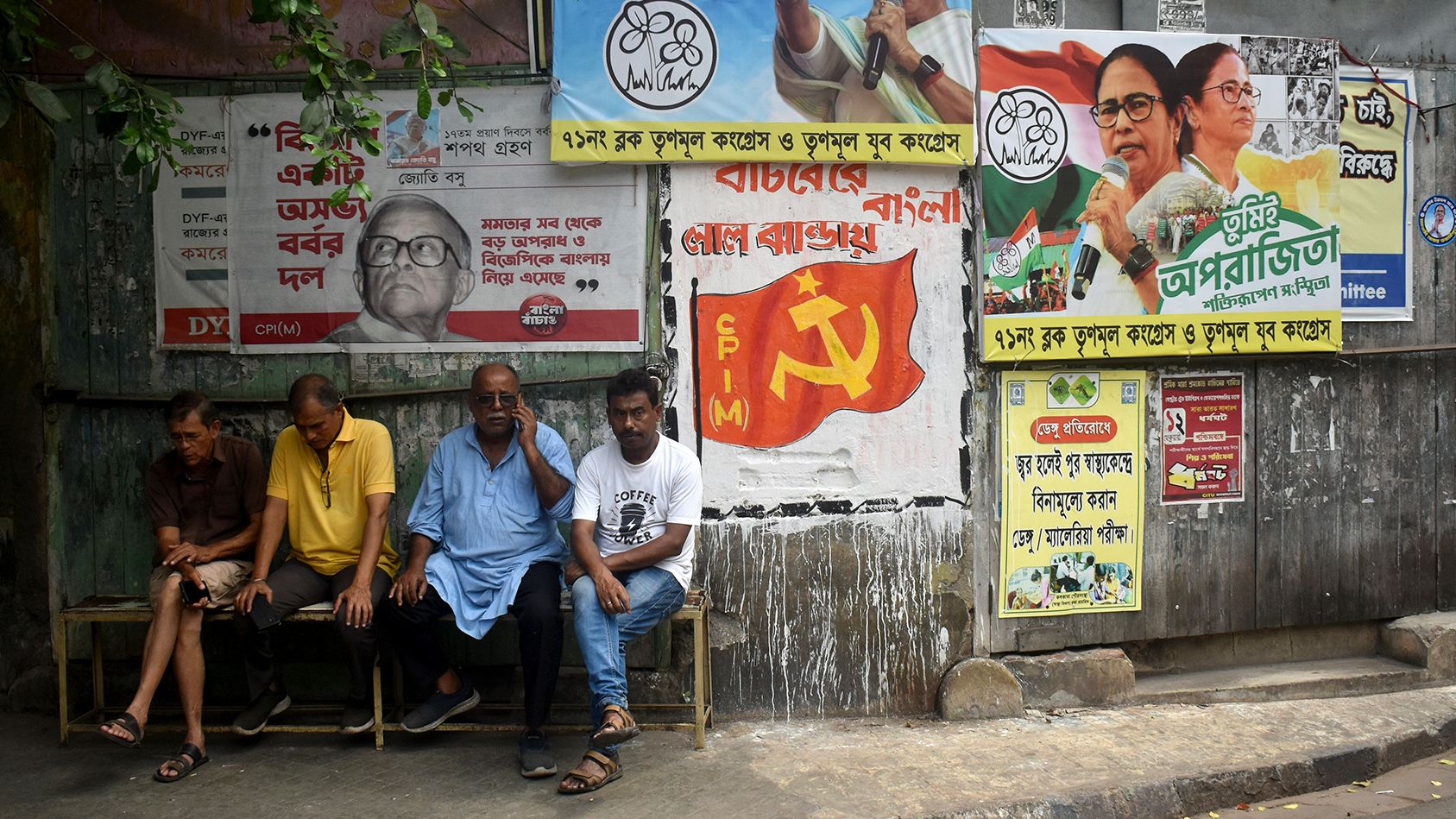
How exclusion of nine million voters could shape state politics.
For requests or suggestions: pr@indian-institute.com


Learn the official language of India in 30 days thanks to the most complete Grammar, Vocabulary and Culture courses available.
Start speaking Hindi today!
© Copyright 2026 Indian Institute
Come visit India!